

In the Perennial Workshop I explore what it means to grow with resilience. Today’s Field Note looks at the hedge, at coppicing, and on how cutting back can open a threshold for new growth.
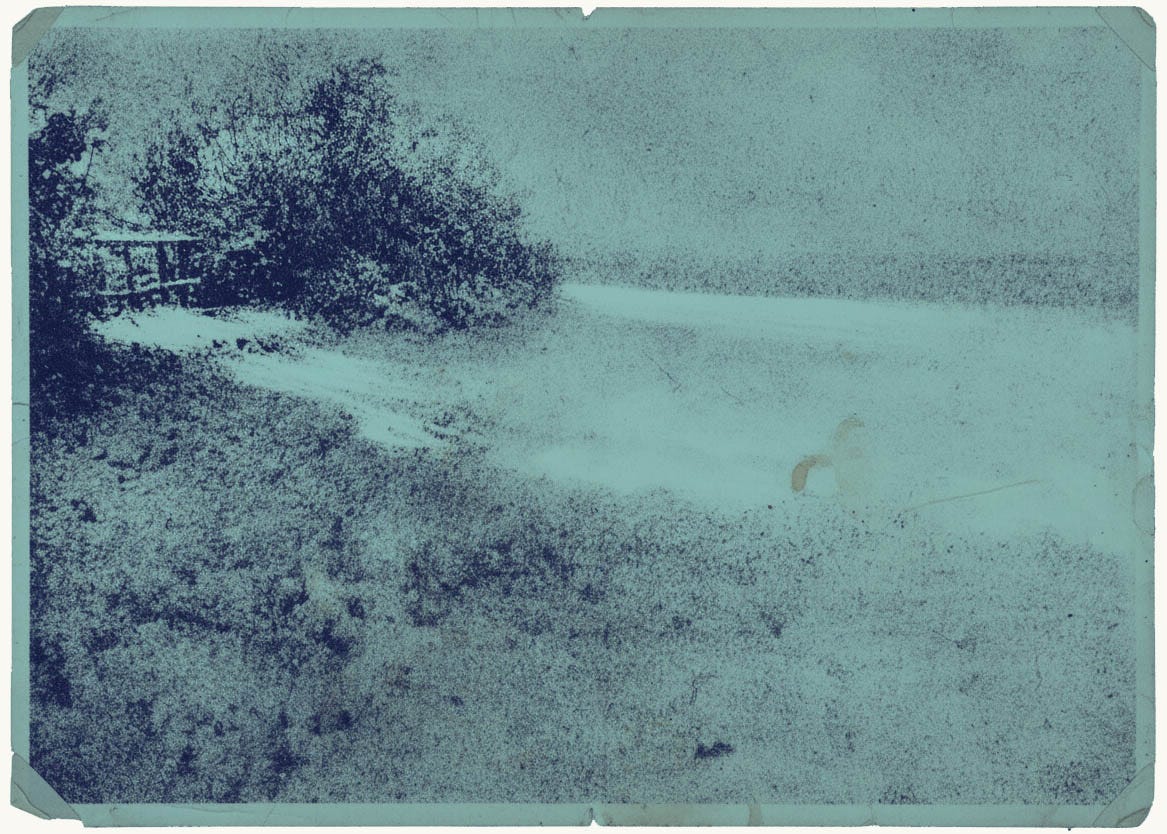
When Growth Becomes Shade
In my garden, right behind the shed and the apiary workshop, there is a small meadow. It’s conveniently south-facing. It’s the main residence of our flock of chickens. Three willows and a walnut somewhere in the centre. In the beginning, the meadow was a plain carpet of grasses. Lots of light, but exposed to the mood swings of Belgian weather. I then planted a wild hedge around the perimeter: a mix of spindle tree, dogwood, dog-rose, different kinds of berries. All those small saplings, holding the promise of an abundant future.
These kinds of undertakings start with good intentions. Create a bit of edge. Shade and shelter for the chickens. Seeds and berries for the birds. Spring bloom for pollinators.
That’s where I found myself standing the other day, the good old trusted Silky pruning saw in hand, contemplating the immense power of growth such a wild hedge can manifest.
Indeed, a hedge does what a hedge does. It grows. It thickens. It spreads. It intertwines.
All those verbs that portray a form of natural transformation. Eight years later, that promised hedge had, of course, become a real hedge: big, full, and blocking all light.
And, of course, I’d postponed this maintenance job far too long. I should have worked the hedge three years ago. But, like always, life got in the way.
Facing the Cutback
The hedge had to wait. Of course it didn’t. Despite me politely asking. It stubbornly decided to keep growing. Eventually, it started to resemble the edge of a maturing forest. The grasses began to retreat, accepting their loss against the rising wall of trees. The chickens gave this recession a helping hand, eagerly scratching up the dirt.
Now I’m at a point where I’m even hesitant to call this patch of barren earth a meadow. It’s more of a permanent twilight zone, gradually fading into obscurity.
That’s not to say the hedge isn’t beautiful and useful. The birds love it. A group of hedge sparrows calls it home. The spindle trees (interestingly called ‘cardinal’s hat’ in Dutch) hold their pinkish, hat-like fruits. Dogwood shows off its vibrant, reddish autumn bark. The dog-roses, loaded with vitamin-C-rich hips, remain an important bird staple.
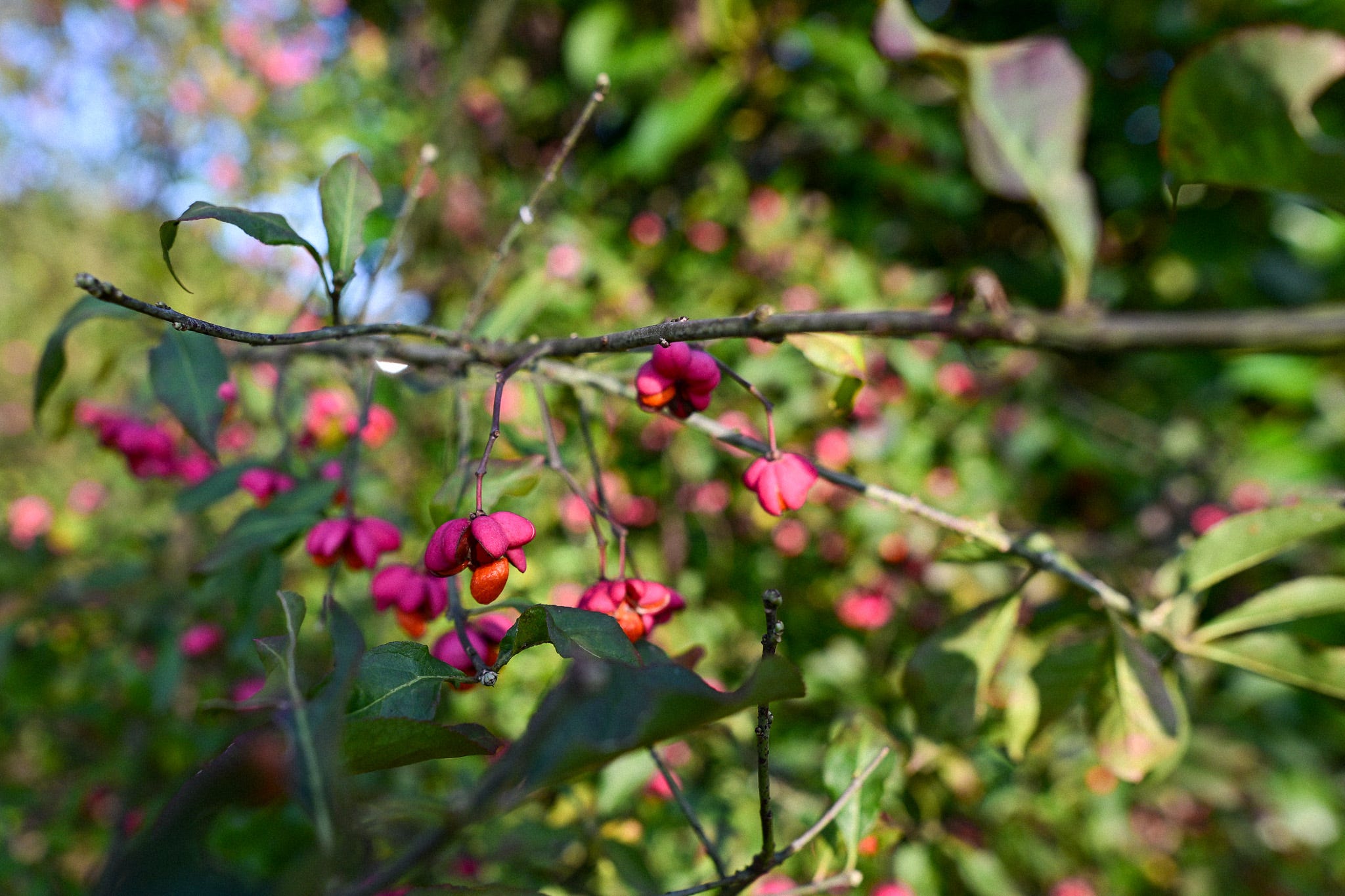
But to stimulate new growth, we sometimes need to cut back first. At least that’s what I tell myself as I bring the sawblade to the trunk of an overgrown hawthorn. That, indeed, is the definition of coppicing. The word comes from the French couper: to strike, to cut. The English made it into a noun - a coppice, meaning a woodlot specifically managed for cyclical cutback.
The Draft as a Hedge
As always, my mind connects these thoughts to my other endeavours. I think of the many edits I apply to my writings. The first drafts often being a chaos of ideas. Then comes a point where the accumulation blocks the light and no clear thinking is possible. The only option, then, is to delete almost everything, keeping only the core premises intact - the roots, so to speak. That cutback almost always feels like a relief. Suddenly new shoots appear: not one big trunk loaded with meaning, but multiple little stems, the field notes, each with a clean, singular focus.
But back to the hedges and the art of coppicing. Here’s a topic I’ll definitely return to. It’s such an intriguing, ancient, and sustainable practice. And so relevant. There are many possible integrations of traditional coppicing in modern forestry.
Some coppice stools are a thousand years old. I’ve read about the Sweet Track in Somerset, built in 3800 BCE, making use of coppiced poles. In Belgium too, we have a long tradition of coppicing and pollarding (the former cutting near the ground, the latter higher on the trunk). In my area there are some fascinating examples of ancient oak pollards, convincingly outliving their non-pollarded peers.
Generations before us already understood that the art of pruning was not deletion but revision. That cutting back was a form of keeping.
Yes, coppicing has many advantages: improving longevity, stimulating growth, increasing dynamics, letting in the light again. Still, to the mind, these interventions seem drastic. There is this gnawing feeling of guilt that I’m taking away the birds’ winter buffet.
So I come up with the idea of working in phases. Leave part of the hedge intact while cutting back other parts. Once more, the subtle art of finding balance. Everything is a compromise. Restoring the meadow while leaving shelter. Serving the chickens while protecting the birds. Doesn’t that also add to the complexity, and thus resilience, of the system?
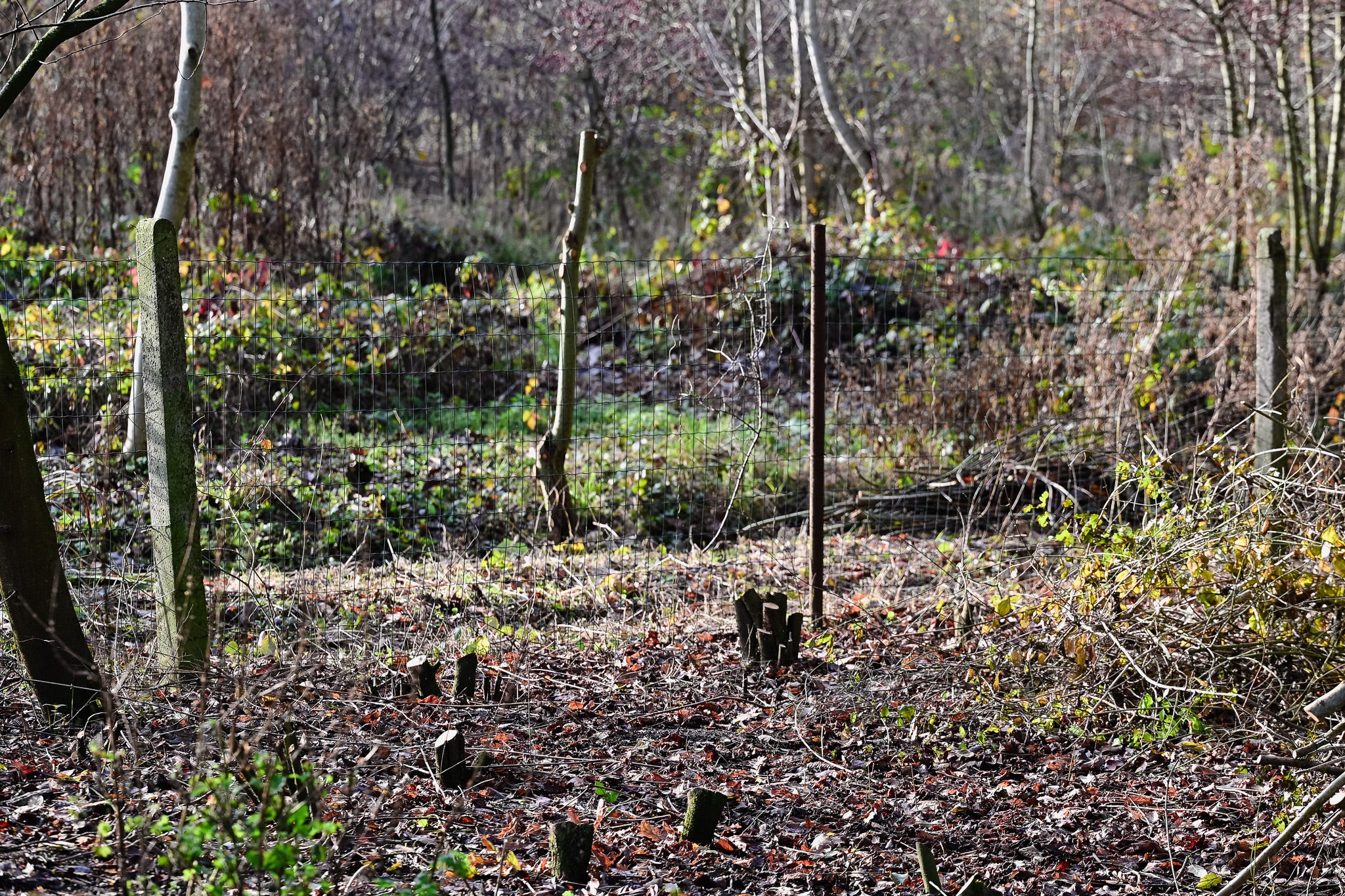
Content with my solution, I start pruning. And suddenly I can see the light. These first cuts reveal what was hidden: the young, little forest I planted a few years ago. A beautiful sight, almost like an expansion of the garden. I had forgotten to look past that hedge. Or perhaps it’s the other way around: the hedge made looking unnecessary. One seldom tends to look beyond what one can see.
Where the Light Returns
I believe this is what often happens to our thoughts too. They accumulate, prosper, and grow. Each one seems worth keeping. Then they mingle and intertwine.
We weave them into systems, philosophies, habits of mind that grow dense and self-referential. This hedge of thoughts, then, becomes who we are. It starts living its own life. And before we know it, we’ve forgotten to look beyond it. It becomes a wall instead of a window. But we must keep the hedge open to see other horizons and alternative perspectives. We need to remind ourselves, from time to time, to cut it back. Make room for regrowth. Explore a bit of unknown territory.
That, right there, is what I call Liminalism. One of the six resilience-enhancing cornerstones I write about in the Perennial Workshop. Spend time at your learning edges. Try small, safe-to-fail experiments. Stay in the spaces where change begins.
We all have these mental hedges, each one unique. We should embrace this diversity, and learn to learn from others. That’s what I love about platforms like Substack: discovering different voices, different opinions, different realities.
So, one question remains: what in my own thinking needs cutting back? Not to delete, but to provide new impulses to grow and flourish.
Are there habits that seem perfectly fine at first sight, but upon closer inspection are blocking the view toward improvement? Are there good things that have become obstacles to better things?
For me, I found myself in a zone of comfort. I was happy with the status quo: a loving relationship, the garden, the bees, even my work as a filmmaker. It all settled into a quiet routine. It all felt unsurprisingly OK. But slowly the hedge started to grow. One doesn’t notice it, until suddenly there is a wall. No new light entering one’s thoughts.
So I knew I needed to cut back, to stimulate new growth. That’s when I started writing again. The best choice I’ve made in a long time. Like many before me, I discovered that writing is the best stimulator of intellect and thought. My thoughts are the most lucid, the most clear, indeed the most liminal, when I’m putting them on paper.
Continuance
The hedge has been cut back. Satisfied, I look at the work.
Piles of poles and branches stacked on the ground. The thickest stems will become kindling for the stove. Other parts will go into the wood-chipper - the ideal mulch for the vegetable garden. The rest will go onto the deadwood hedge, adding habitat for insects and small animals. Nothing is lost.
And I know that by spring the stumps will send up new growth. The meadow will have grass again. The birds may complain. I’ll soothe my conscience by providing some extra goodies at the feeder this winter.
But most importantly, I am now seeing beyond the garden again. It reminds me that the garden is not a vacuum. It is part of a network: a living, connected landscape providing infinite possibilities to connect and sustain nature. Nothing exists on its own. Not the garden, and not us.
The sun is already setting. The temperature is dropping. Time to go inside, warm up next to the stove.
And in a few years, when I’m back at the hedge to coppice the remaining parts, I’ll remember that to grow and to cut back are not opposites but variations of the same theme.
These Field Notes sit within The Perennial Workshop — a space for exploring thresholds, learning at the edges, and tending what wants to grow. If that resonates, you’re welcome to subscribe or share it with someone wandering similar terrain.